
Uterine Fibroids in Indore
What is Fibroid Uterus?
Uterine fibroids, also called leiomyomas or myomas, are noncancerous growths that develop in or on the uterus. They originate from the smooth muscle tissue of the uterine wall and can vary in size from very small nodules to large masses that may distort the uterus. While many fibroids
do not cause symptoms, some can result in discomfort, menstrual irregularities, and fertility challenges.
Dr. Krati Mehta Chandak, the Best Gynecologist for Fibroid Treatment in Indore, specializes in diagnosing and managing uterine fibroids with advanced treatment options tailored to each patient’s condition. Her clinic on Annapurna Road, Indore, is equipped with modern gynecological facilities to provide safe and effective fibroid care.
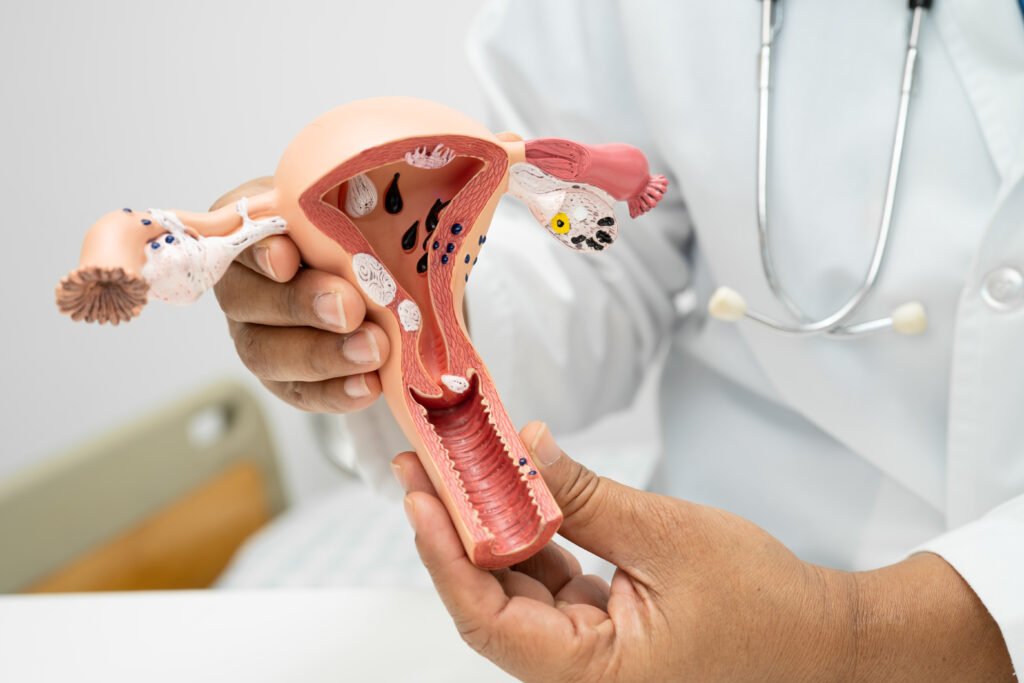
Different Types of Fibroids
Fibroids are categorized based on their location in the uterus. Each type can cause different symptoms and may require a specific approach for treatment.
At the clinic of Dr. Krati Mehta Chandak, the Best Gynecologist for Fibroid Treatment in Indore, each patient is thoroughly evaluated to determine the exact type and extent of fibroids to design a personalized management plan.
Intramural Fibroids
Develop within the muscular wall of the uterus and are the most common type
Subserosal Fibroids
Grow on the outer wall of the uterus and can exert pressure on nearby organs like the bladder or rectum.
Submucosal Fibroids
Form just under the inner lining of the uterus and can cause heavy menstrual bleeding and fertility problems.
Pedunculated Fibroids
Grow on stalk-like structures attached to the uterus, sometimes causing sharp pain due to twisting.
Who is at Risk for Uterine Fibroids?
While any woman can develop fibroids, certain factors can increase the risk. Understanding these factors helps in early detection and preventive care.
1. Family history
Women whose mothers or sisters have had fibroids are more likely to develop them.
2. Hormonal imbalance
High levels of estrogen and progesterone promote fibroid growth.
3. Obesity
Women more than 20% above their healthy weight have an increased risk.
4. Reproductive history
Women who have not had children are at greater risk.
5.Early menstruation
Starting periods at a younger age may raise the likelihood of fibroid formation.
6. Late menopause
Women reaching menopause later than average are more susceptible
Dr. Krati Mehta Chandak, known as the Best Gynecologist for Fibroid Treatment in Indore, recommends regular gynecological check-ups, especially for women with one or more of these risk factors.
Common Symptoms of Uterine Fibroids
Fibroids can cause a range of symptoms depending on their size, number, and location. Some women may have no symptoms at all, while others experience severe menstrual or pelvic problems.
Common signs and symptoms include:
- Heavy or prolonged menstrual bleeding
- Menstrual periods lasting more than a week
- Pelvic pressure or fullness
- Frequent urination or difficulty emptying the bladder
- Constipation or abdominal bloating
- Backache or leg pain
- Pain during sexual intercourse
- Chronic vaginal discharge
- Difficulty conceiving or recurrent miscarriages
If you experience these symptoms, it is advisable to consult Dr. Krati Mehta Chandak, the Best Gynecologist for Fibroid Treatment in Indore, for a thorough evaluation and timely management.
Causes of Uterine Fibroids
The exact cause of fibroids is not known, but multiple factors contribute to their development. Hormonal, genetic, and environmental influences all play a part.
1. Hormonal influence
Estrogen and progesterone promote the growth of uterine lining and may trigger fibroid formation.
2. Genetic factors
Changes in genes that control uterine muscle cells can result in uncontrolled cell growth.
3. Family tendency
Fibroids often run in families.
4. Growth factors
Substances that help tissue maintenance may also influence fibroid development.
Dr. Krati Mehta Chandak, recognized as the Best Gynecologist for Fibroid Treatment in Indore, emphasizes lifestyle modification, balanced diet, and early evaluation as essential steps in reducing the chances of fibroid development.
Diagnosis of Uterine Fibroids
Fibroids are often detected during a routine pelvic examination. If fibroids are suspected,
specific diagnostic tests are used to confirm and evaluate their location, size, and number
- Ultrasound: A simple and non-invasive imaging test to visualize fibroids in the uterus
- MRI (Magnetic Resonance Imaging): Provides detailed images and helps plan surgical interventions.
- Hysterosonography: Involves inserting sterile saline into the uterus to get clearer ultrasound images.
- Hysteroscopy: A small camera is inserted through the cervix to directly visualize fibroids inside the uterine cavity.
- Laboratory tests: Blood tests may be done to check for anemia caused by heavy menstrual bleeding.
At her clinic in Annapurna Road, Dr. Krati Mehta Chandak, the Best Gynecologist for Fibroid Treatment in Indore, performs precise and comprehensive diagnostic evaluations using advanced imaging techniques to create a personalized treatment plan
Treatment Options for Uterine Fibroids
Treatment depends on the severity of symptoms, size, and location of fibroids, as well as the patient’s age and desire for future pregnancies. Some fibroids may require only observation, while others need medical or surgical intervention.
Common treatment options include:
- Medication: Used to manage symptoms such as heavy bleeding and pain. Non-hormonal drugs help relieve discomfort, while hormonal therapies can reduce fibroid size.
- Hormonal Therapy: Helps in balancing estrogen and progesterone levels to control growth and reduce bleeding.
- Surgical Treatment: For large, multiple, or symptomatic fibroids, surgery may be required.
Dr. Krati Mehta Chandak, the Best Gynecologist for Fibroid Treatment in Indore, provides
both medical and surgical treatments, focusing on patient comfort and safety. Her expertise
ensures that every woman receives individualized care for long-term relief and uterine health
preservation
Fibroid Surgery and Advanced Procedures
For patients with large or multiple fibroids, surgery is often the most effective treatment option. Surgical methods vary depending on whether the patient wishes to preserve fertility.
Myomectomy:
Removal of fibroids while preserving the uterus, ideal for women who plan future pregnancies.
Laparoscopic Myomectomy:
Minimally invasive surgery using small incisions for faster recovery.
Hysteroscopic Myomectomy:
Removal of fibroids through the vagina and cervix without external incisions.
Hysterectomy:
Complete removal of the uterus for severe cases or when other treatments have failed.
Dr. Krati Mehta Chandak, recognized as the Best Gynecologist for Fibroid Treatment in Indore, emphasizes lifestyle modification, balanced diet, and early evaluation as essential steps in reducing the chances of fibroid development.
Recovery and Post-Treatment Care
Recovery after fibroid treatment depends on the type of therapy performed. Medical
management and minimally invasive procedures usually require short recovery times, while
surgical interventions may need a few weeks of rest and follow-up.
Under the supervision of Dr. Krati Mehta Chandak, the Best Gynecologist for Fibroid
Treatment in Indore, patients receive detailed post-operative guidance regarding medication,
diet, and gradual resumption of activities. Regular follow-up visits ensure continued recovery
and help monitor any recurrence of fibroids.
When to Consult a Gynecologist for Fibroids
You should consult a gynecologist if you experience heavy menstrual bleeding, pelvic pain, or prolonged periods that affect your daily life. Ignoring these symptoms can lead to anemia,
infertility, or other complications. Dr. Krati Mehta Chandak advises timely medical evaluation and personalized care plans to
ensure that fibroids are managed effectively, preventing future health concerns. Her reputation
as the Best Gynecologist for Fibroid Treatment in Indore is built on a patient-focused
approach that combines compassion, expertise, and modern medical technology.
Frequently Asked Questions (FAQ’s)
Q1. What are fibroids?
Fibroids are benign (noncancerous) tumors that grow in or on the uterus.
Q2. Can fibroids affect fertility?
Yes. Depending on their location and size, fibroids can interfere with conception or cause
pregnancy complications.
Q3. When should I see a doctor about fibroids?
If you experience heavy bleeding, pelvic pain, or irregular periods, seek consultation immediately
Q4. Are fibroids cancerous?
No, uterine fibroids are noncancerous, but they can cause significant discomfort if untreated
Q5. Are fibroids cancerous?
Although fibroids cannot be completely prevented, maintaining a healthy weight, balanced hormones, and regular check-ups can help reduce the risk.
Q5. Are fibroids cancerous?
Procedures such as myomectomy and hysterectomy are performed depending on the patient’s
needs and fertility goals.
Consultation with Dr. Krati Mehta Chandak
Dr. Krati Mehta Chandak serves as a Consultant Obstetrician and Gynecologist on Annapurna
Road, Indore, and also caters to surrounding areas such as Sudama Nagar, Vaishali Nagar,
Dwarkapuri, and Rajendra Nagar Colony. As the Best Gynecologist for Fibroid Treatment in
Indore, she provides expert diagnosis, individualized treatment plans, and advanced surgical
options for women suffering from uterine fibroids. Her dedication to women’s health andcompassionate patient care ensures that every woman receives the best possible guidance and treatment.